Arusha National Park animals at a glance
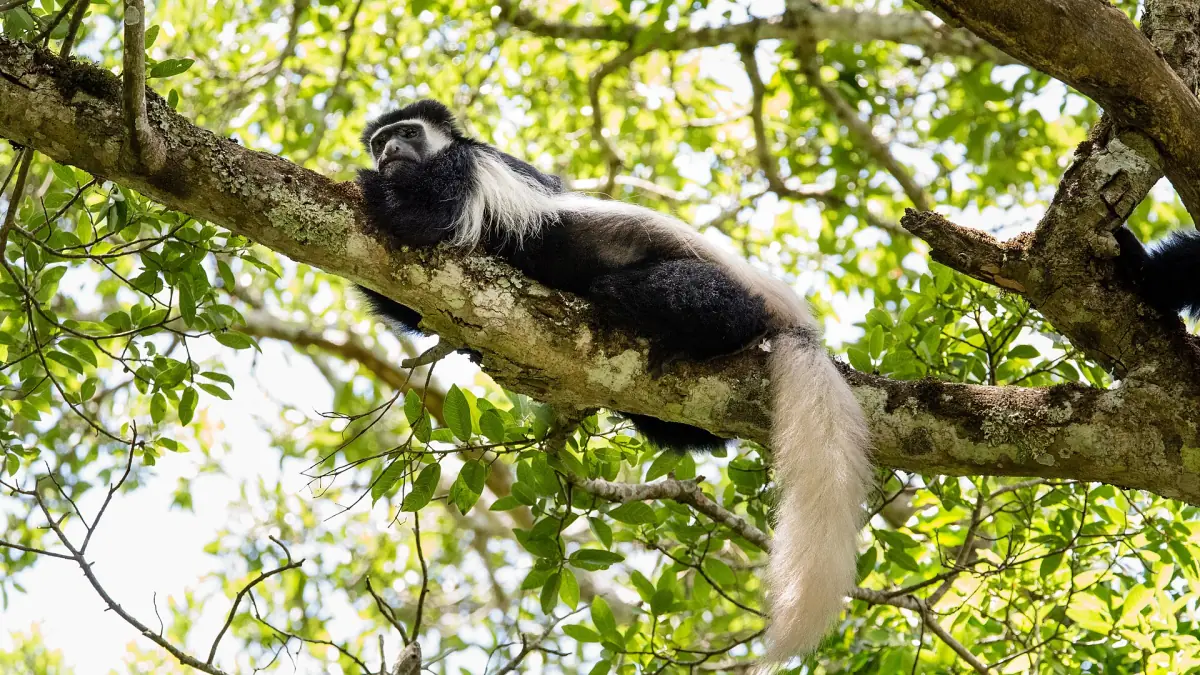
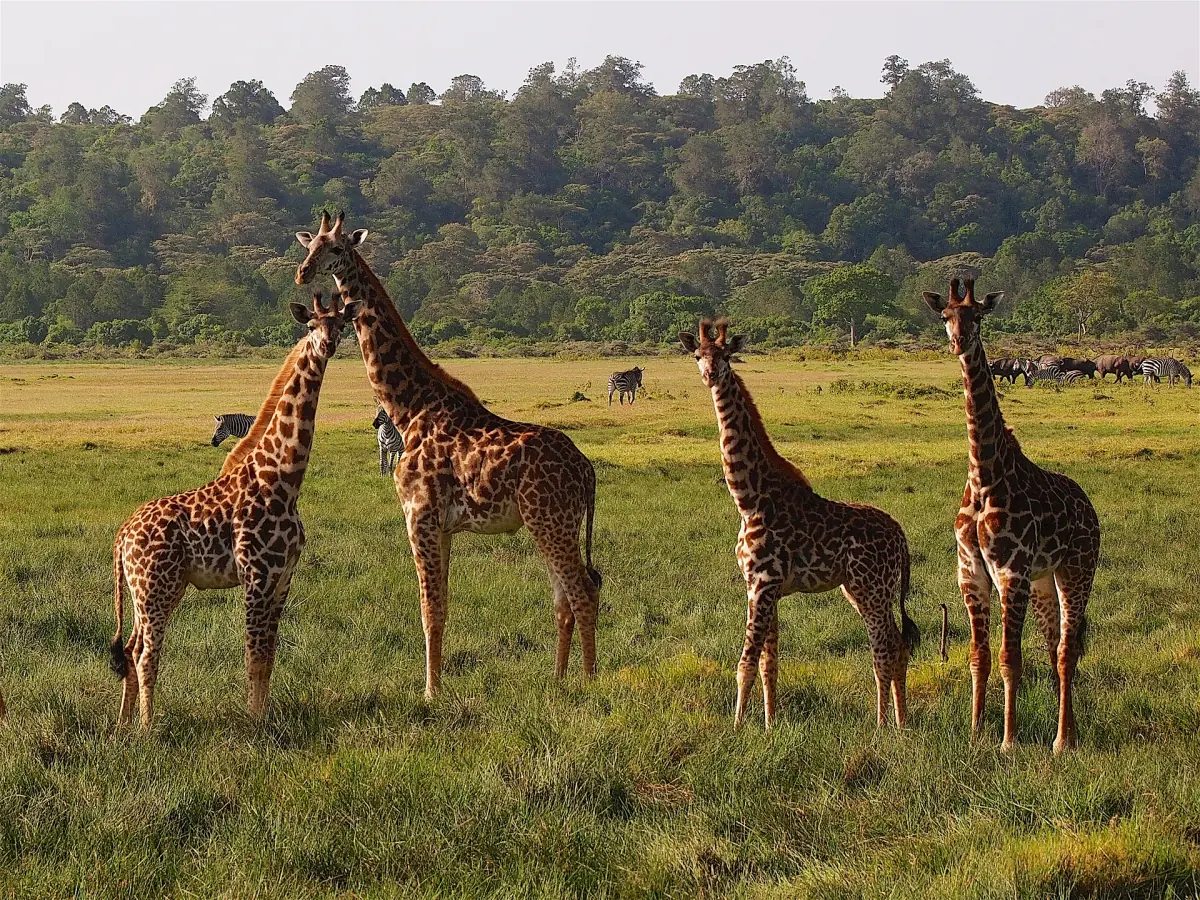
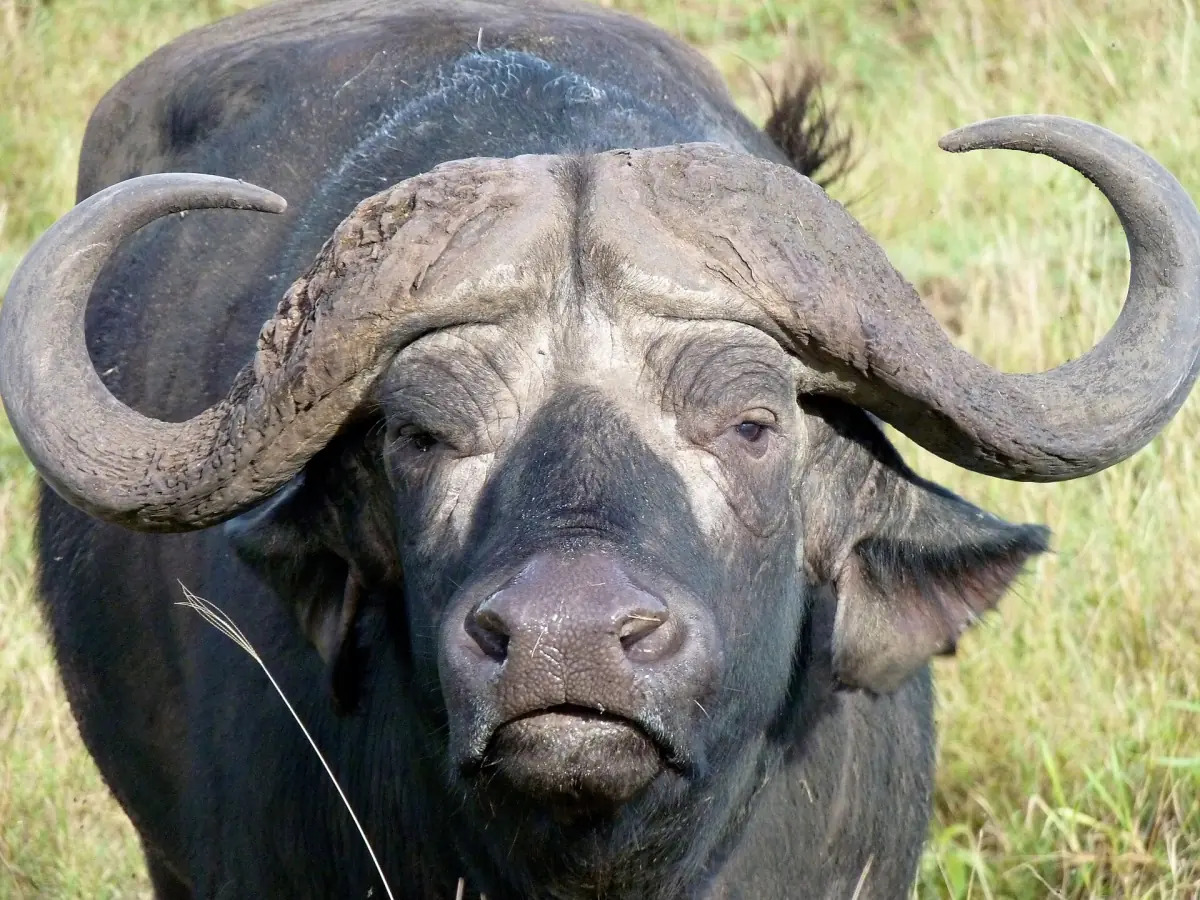
Arusha National Park packs several habitats into 552 square kilometres: forest, open grassland, alkaline lakes and the lower slopes of Mount Meru. That is why the animals here differ from those of the big savannah parks. The star of the forest is the black and white colobus monkey. On the grass you find giraffes and buffalo, and at the lakes you find waterbirds.
Seeing an animal is never certain. Behaviour, season and luck all matter. A good way to improve your chances is to go with a ranger or guide who knows the park, as described in our Arusha safari guide.
Our pick: a private walking safari
A walk with a ranger puts you closest to the forest wildlife, and park fees are part of the price.
Hand-picked tours, booked through GetYourGuide. Prices are indicative starting prices in US dollars (as of October 2026). Tap a tour for live availability and the current price in your currency.
Wildlife tours in Arusha National Park
Guided drives and walks where giraffes, buffalo and colobus monkeys live, with live prices and availability.
Black and white colobus: the forest monkey
The park's best-known primate.
The black and white colobus monkey, also called the guereza, lives in the Ngurdoto forest. Its scientific name is Colobus guereza caudatus. Look up into the trees along forest tracks and on walks near the crater, and ask your guide where groups have been seen lately.
Do not feed or approach any monkey. Keep to the track, listen to your guide and use binoculars or a zoom lens instead of walking closer.
Other animals to spot
Where each one is most likely to appear.
| Animal | Where to look | Notes |
|---|---|---|
| Black and white colobus | Forest around the Ngurdoto Crater | Look up into the trees |
| Giraffe | Open grassland, including Little Serengeti | Good chances on open ground |
| Buffalo | Open grassland, including Little Serengeti | Keep your distance |
| Zebra, warthog, waterbuck | Little Serengeti grassland | Found on the open grass area |
| Flamingo and waterbirds | Momella Lakes | Seasonal, no fixed arrival months |
| Leopard | Possible in the park | Rarely seen |
| Elephant, bushbuck, baboon, hippo | Possible in the park | Ask your guide what has been seen lately |
For most visitors, giraffes, buffalo and colobus monkeys are the realistic targets, with flamingos as a bonus at the lakes when the season is right. Leopards are a pleasant surprise rather than a goal.
Little Serengeti and the Ngurdoto Crater
Serengeti Ndogo, known as Little Serengeti, is an open grass area with buffalo, zebras, warthogs, giraffes and waterbuck. It is not another name for the Ngurdoto Crater. The crater has its own forest, and the Ngurdoto Crater guide explains the viewpoints on the rim.
Open ground makes spotting easier, so this is where a slow drive pays off.
Birds and the Momella Lakes
More than 400 species.
More than 400 bird species have been recorded in the park, and up to about 500 in the surrounding area. Treat the numbers as rough. Flamingos use the wetlands and pans of the Momella Lakes at certain times of year. There are no fixed arrival months. The Momella Lakes page covers the viewpoints and the canoe trip.
Lions are not what this park is known for. If predators are your priority, the larger parks have their own wildlife guides, for example the Serengeti wildlife guide. If elephants are your goal, see the Tarangire elephants page.
Arusha National Park animals: frequently asked questions
Where can I see colobus monkeys?
They live in the Ngurdoto forest. Look in the trees along forest tracks, and ask your guide where groups have been seen recently.
Does the park have lions?
Lions are not what the park is known for. The animals it is known for centre on giraffe, buffalo, monkeys and birds, so do not plan the trip around lions.
Can I see leopards?
Leopards live in the park but are rarely seen. Treat any sighting as luck.
When are flamingos at the Momella Lakes?
They use the lakes and pans in some seasons. There are no fixed arrival months, so ask for the current situation before you go.
Is this the official wildlife guide for the park?
No. This is an independent travel guide. Tanzania National Parks (TANAPA) manages the park.