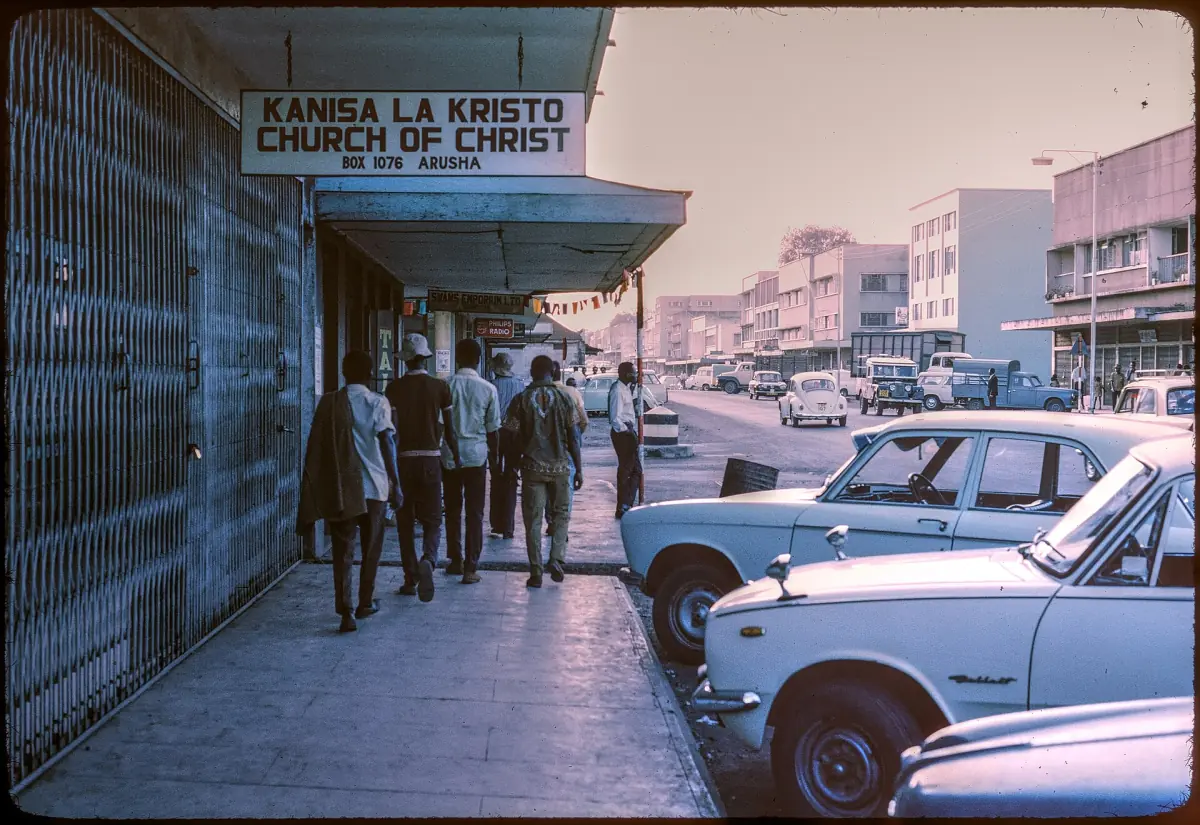
Arusha history at a glance
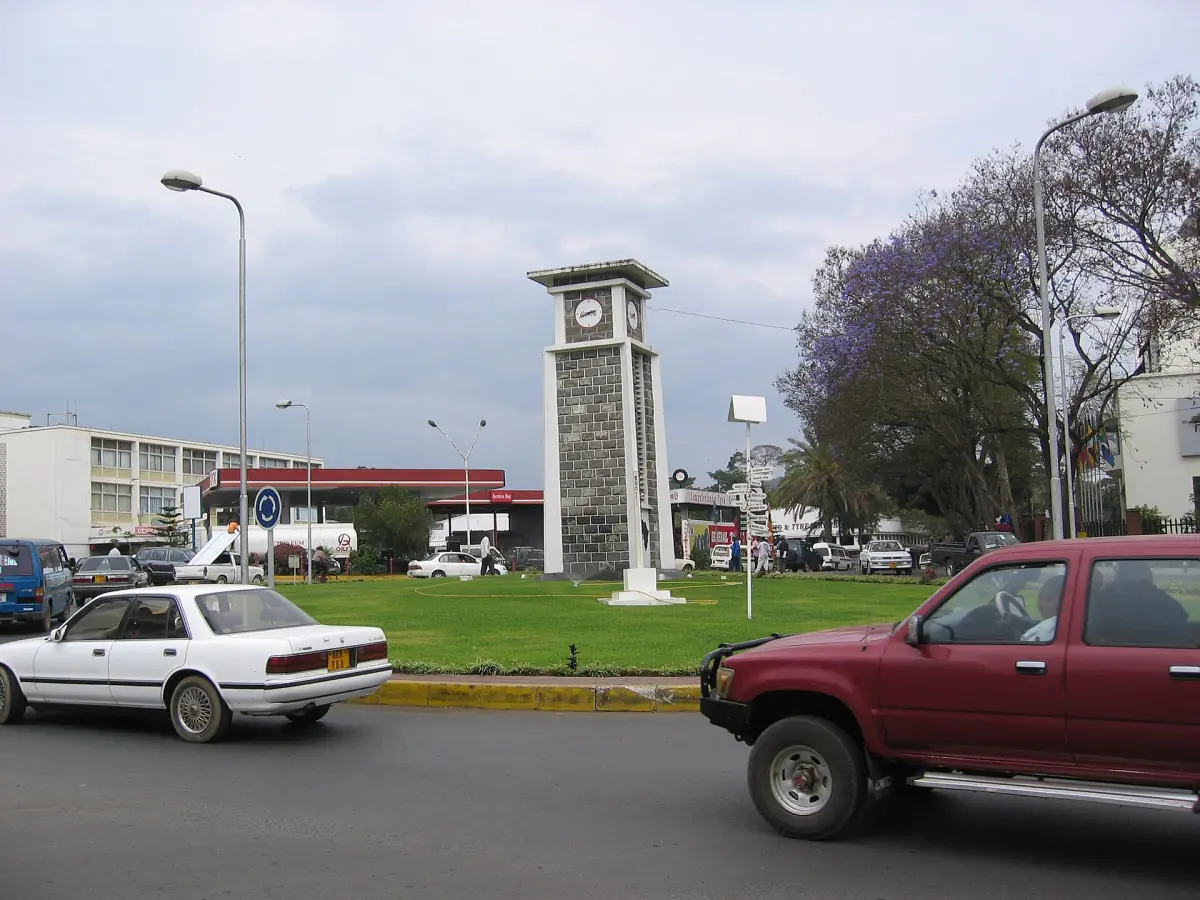
The name Arusha means different things to different people. For Tanzanians it points to the Arusha Declaration of 1967. For people who follow Africa's recent past it can mean the peace talks for Rwanda in 1993 or the United Nations tribunal that sat in the city. For travellers it means the starting point for safaris. These are separate chapters, and it helps to keep them apart.
You can see traces of several of them on a short walk in the centre, and you can pair them with a half day at the national park. If you are planning that, have a look at the Arusha National Park day trips and the Arusha museums.
The German boma and the old buildings
What the colonial-era complex on Boma Road was.
A German military and administrative complex once stood in Arusha. A boma is a fortified administrative post, and the German presence in Arusha dates to around 1900. Do not read that as an exact founding date for the city. The story of the town before and after that period is longer than one date.
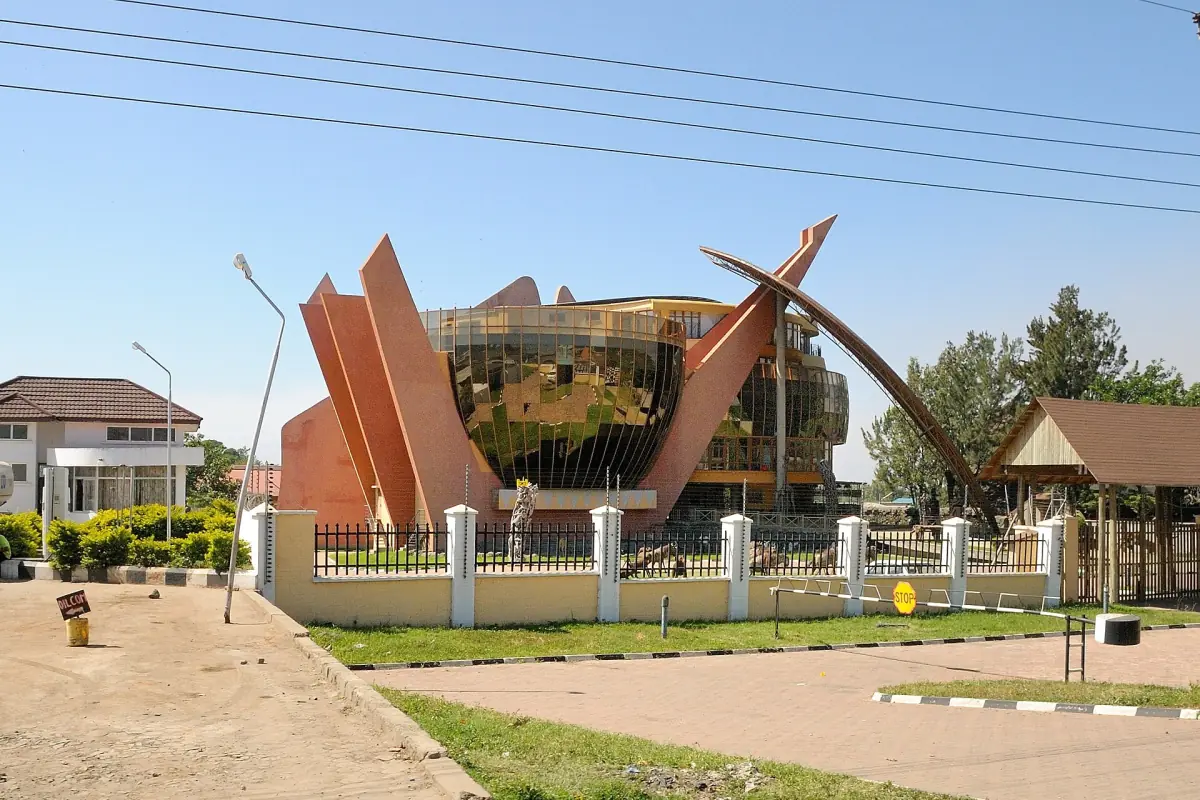
The complex is the reason for the name Boma Road. Today the National Natural History Museum occupies the old buildings. It was founded in 1987 and shows exhibitions on evolution, palaeontology, archaeology, plants and animals, and colonial history. If you walk the road, you pass the setting of the first chapter of the city's modern history. Opening hours and prices are on the museums page.
Our pick: a guided history and culture walk
A guided walk through the city centre, its markets and cultural sites.
Hand-picked tours, booked through Viator. Prices are indicative starting prices in US dollars (as of October 2026). Tap a tour for live availability and the current price in your currency.
Arusha city and culture tours
Guided city, museum and coffee tours from Arusha, plus park day trips, with live prices and availability.
The Arusha Declaration of 1967
Tanzania's best-known Arusha story.
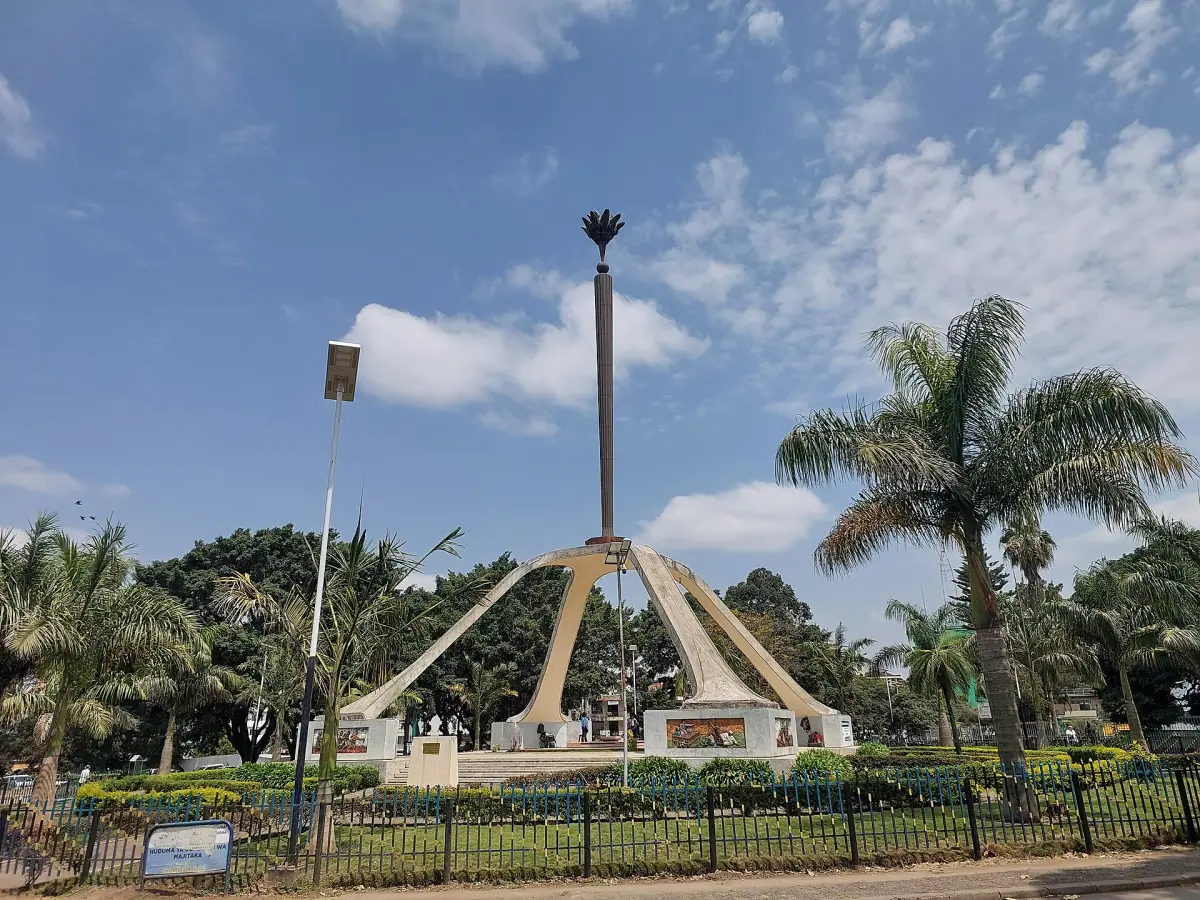
The Arusha Declaration set out the policy of Ujamaa and self-reliance. It was proclaimed on 5 February 1967. The Arusha Declaration Museum in the Kaloleni area opened officially on 5 February 1977, on the tenth anniversary. Its exhibitions cover the colonial period, independence, the union of Tanganyika and Zanzibar, the declaration itself, liberation movements and development.
Keep the two dates apart: 1967 is the declaration, 1977 is the museum's opening. When a guide or a sign gives only one of them, ask which event they mean.
Peace talks, the tribunal and the East African Community
Three later chapters, none of them the same as the 1967 declaration.
The Rwanda peace talks
The Arusha negotiations for Rwanda were concluded on 4 August 1993. They are a different event from the Tanzanian declaration, which only shares the city's name.
The UN tribunal for Rwanda
The tribunal was set up on 8 November 1994, and Arusha was fixed as its seat on 22 February 1995. It closed in December 2015, and its remaining tasks passed to a successor body. The tribunal no longer sits in Arusha, so do not plan a visit around a court session.
The East African Community
The headquarters of the East African Community is in Arusha. Visits are possible only after written confirmation. Individual visits run Wednesday to Friday from 10:00 to 12:30 and group visits from 15:00 to 17:00, with no organised visits from 15 December to 10 January or on community holidays.
The safari hub
Arusha is the safari centre of northern Tanzania, and many trips to the Serengeti and Ngorongoro start here. For example, see the Serengeti from Arusha.
How the national park fits in
A conservation story that started a little later.
Arusha National Park began in 1960 as Ngurdoto National Park. It was later enlarged to include Mount Meru and renamed. Today it covers 552 square kilometres. Read more on the Mount Meru page and in the guides to the Ngurdoto Crater.
Arusha history: frequently asked questions
When was the Arusha Declaration?
It was proclaimed on 5 February 1967. The museum that tells its story opened on 5 February 1977, ten years later.
When did the Germans build the boma in Arusha?
German presence in Arusha dates to around 1900. That is not the exact founding date of the city, and the buildings of the old complex are now in use as a museum.
Is the UN tribunal still in Arusha?
No. It closed in December 2015, and its remaining work went to a successor body.
Is the Arusha Declaration the same as the Rwanda peace agreement?
No. The declaration of 1967 is Tanzanian policy. The Rwanda negotiations ended on 4 August 1993. Both carry the name of the city.
Can I visit the East African Community headquarters?
Only after written confirmation. Individual visits run Wednesday to Friday from 10:00 to 12:30 and group visits from 15:00 to 17:00. There are no organised visits from 15 December to 10 January.
Is arusha-national-park.org an official history site?
No. This is an independent travel guide, not run by a museum, the city or Tanzania National Parks (TANAPA).