Museums in Arusha: three places, three stories
Arusha is best known as a safari base, but it has a serious museum scene. The Arusha Declaration Museum covers modern Tanzanian history. The National Natural History Museum covers evolution, nature and the colonial past. The Cultural Heritage Centre combines galleries, a market and workshops. They are separate institutions in different parts of town, with separate entry arrangements, and none is covered by a national park ticket.
Pick one or two for a morning. The things to do guide shows how to combine them with an afternoon outing, and the history of Arusha gives the background to the exhibits.
Our pick: a walk with a museum and gallery
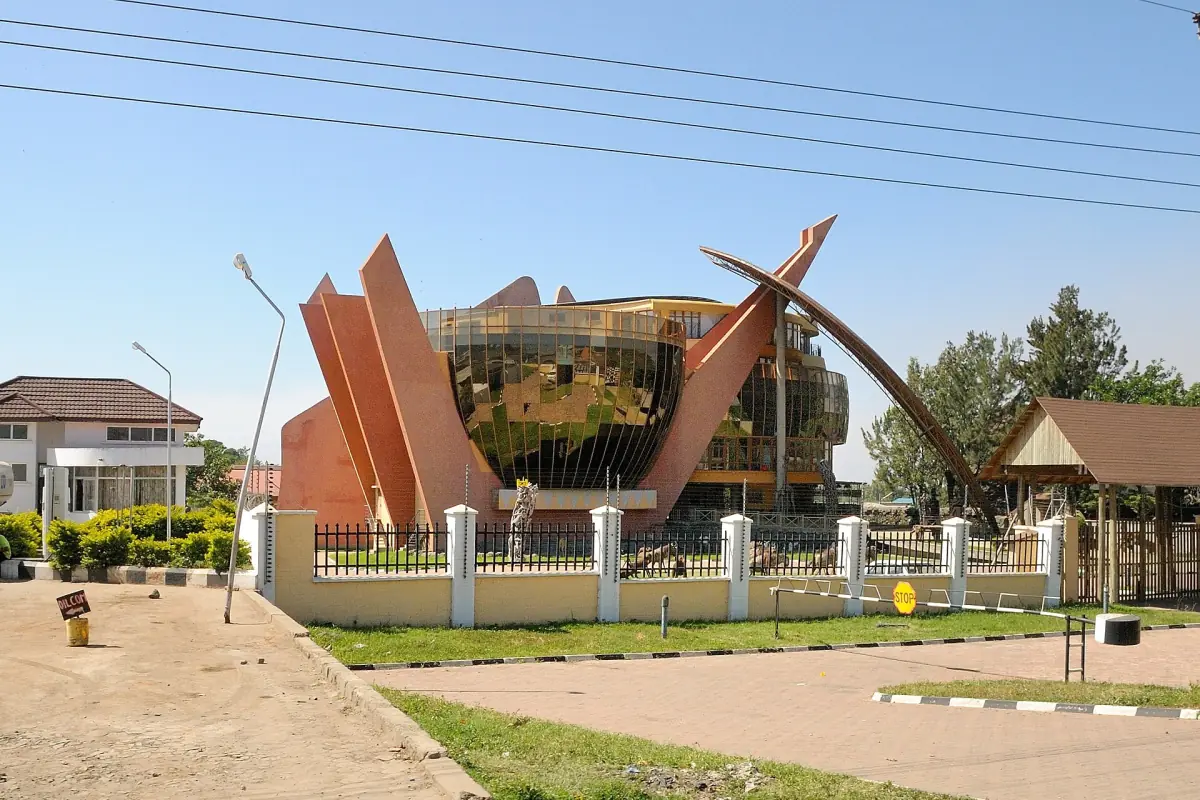
This city walk includes the Tanzanite Experience museum and a cultural gallery.
Hand-picked tours, booked through GetYourGuide. Prices are indicative starting prices in US dollars (as of October 2026). Tap a tour for live availability and the current price in your currency.
Arusha city and museum tours
Guided city tours, museum visits and day trips from Arusha, with live prices and availability.
Arusha Declaration Museum
The story of independence and the Arusha Declaration.
The Arusha Declaration Museum stands in Kaloleni. It officially opened on 5 February 1977, the tenth anniversary of the policy of socialism and self-reliance set out in the Arusha Declaration of 1967. The exhibits follow the colonial period, independence, the union of Tanganyika and Zanzibar, the Declaration itself, the liberation movements and Tanzania's development.
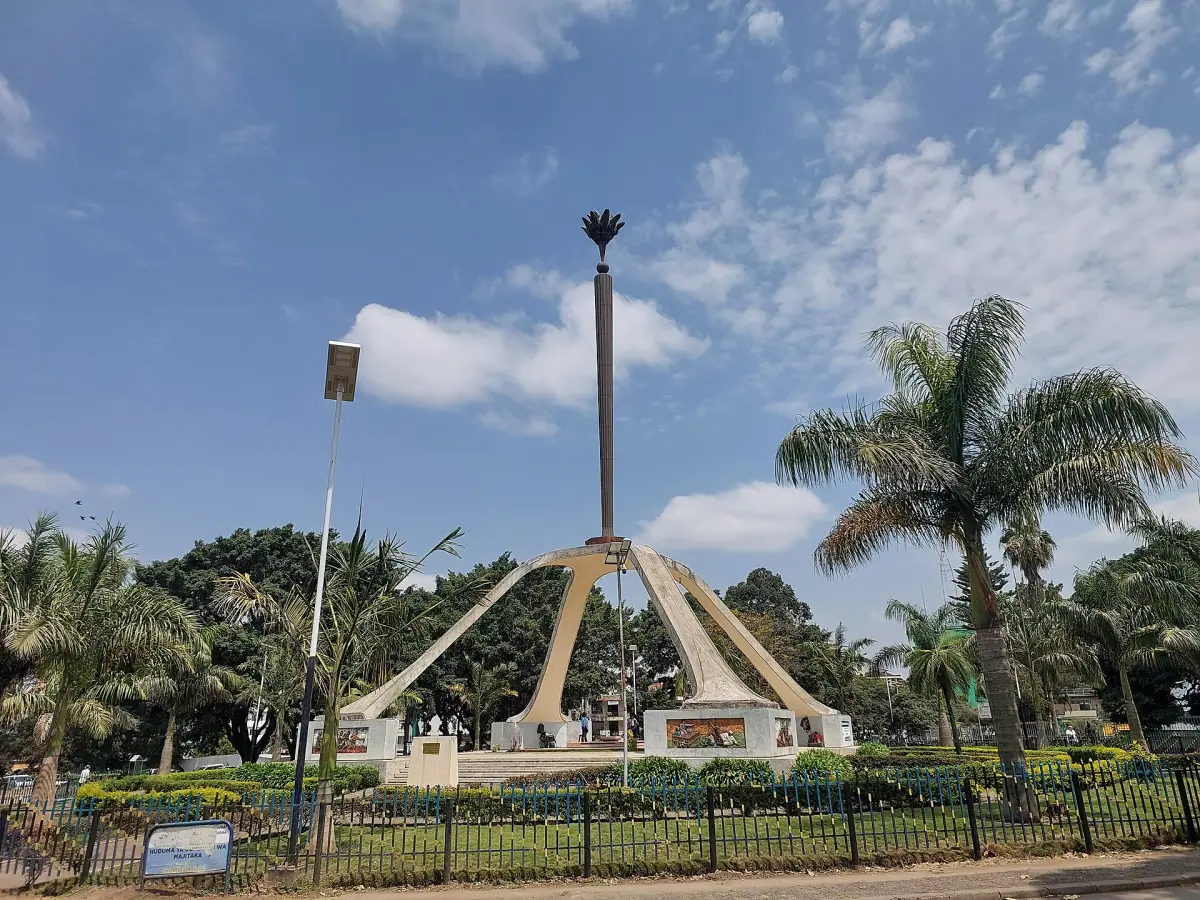
The museum is run by the National Museums of Tanzania. Check ticket prices and opening hours at the door or with the museum on the day. The Declaration monument, with its tall torch over a concrete arch, is a separate landmark in the city.
National Natural History Museum
Evolution, plants, animals and the colonial period.
The National Natural History Museum was founded in 1987. It occupies the former German military and administrative complex on Boma Road. The exhibitions cover evolution, palaeontology and archaeology, plants and animals and the colonial history of the region. The building itself is part of the story, and our Arusha history page explains the German boma.
Because the museum is also run by the National Museums of Tanzania, prices and hours are best checked on the day.
Arusha Cultural Heritage Centre
Galleries, a market and workshops.
The Arusha Cultural Heritage Centre sits on Dodoma Road. The galleries, the market and the workshops are open to visit without an entry charge, although fees for the museum areas can apply. Parking is free, and the galleries are on one level and step-free.
Opening hours are daily from about 8 or 9 a.m. to 5 or 6 p.m. Arrive in the middle of the morning and plan to leave before 5 p.m. to be safe.
| Place | Where | What it shows | Check before you go |
|---|---|---|---|
| Arusha Declaration Museum | Kaloleni | Independence, the Declaration, development | Ticket price, opening hours |
| National Natural History Museum | Boma Road | Evolution, nature, colonial history | Ticket price, opening hours |
| Cultural Heritage Centre | Dodoma Road | Galleries, market, workshops | Opening hours, any museum fees |
For most visitors with half a day, the Natural History Museum and the Declaration Museum give the clearest picture of the city's past, and the Cultural Heritage Centre is the better stop for souvenirs and crafts.
Planning a museum day
Where the museums fit into a day in Arusha.
Not part of the park ticket
The museums belong to other organisations than the national park. A park ticket does not cover them.
Moving around
The sites are in different districts. Arrange transport between them, and in the evening arrange it in advance. Travel advice warns of rising kidnapping and extortion crime in Arusha and recommends avoiding walks after dark.
Combine with the clock tower
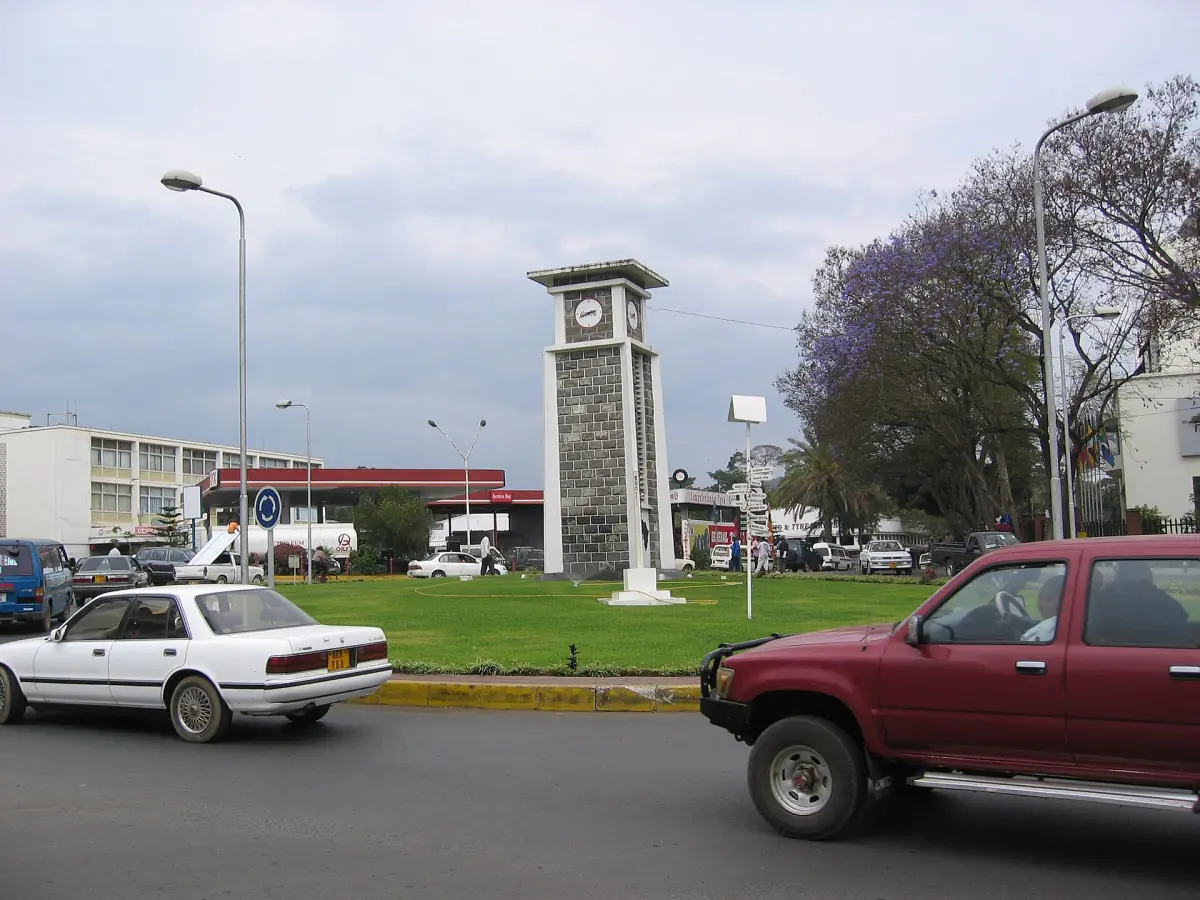
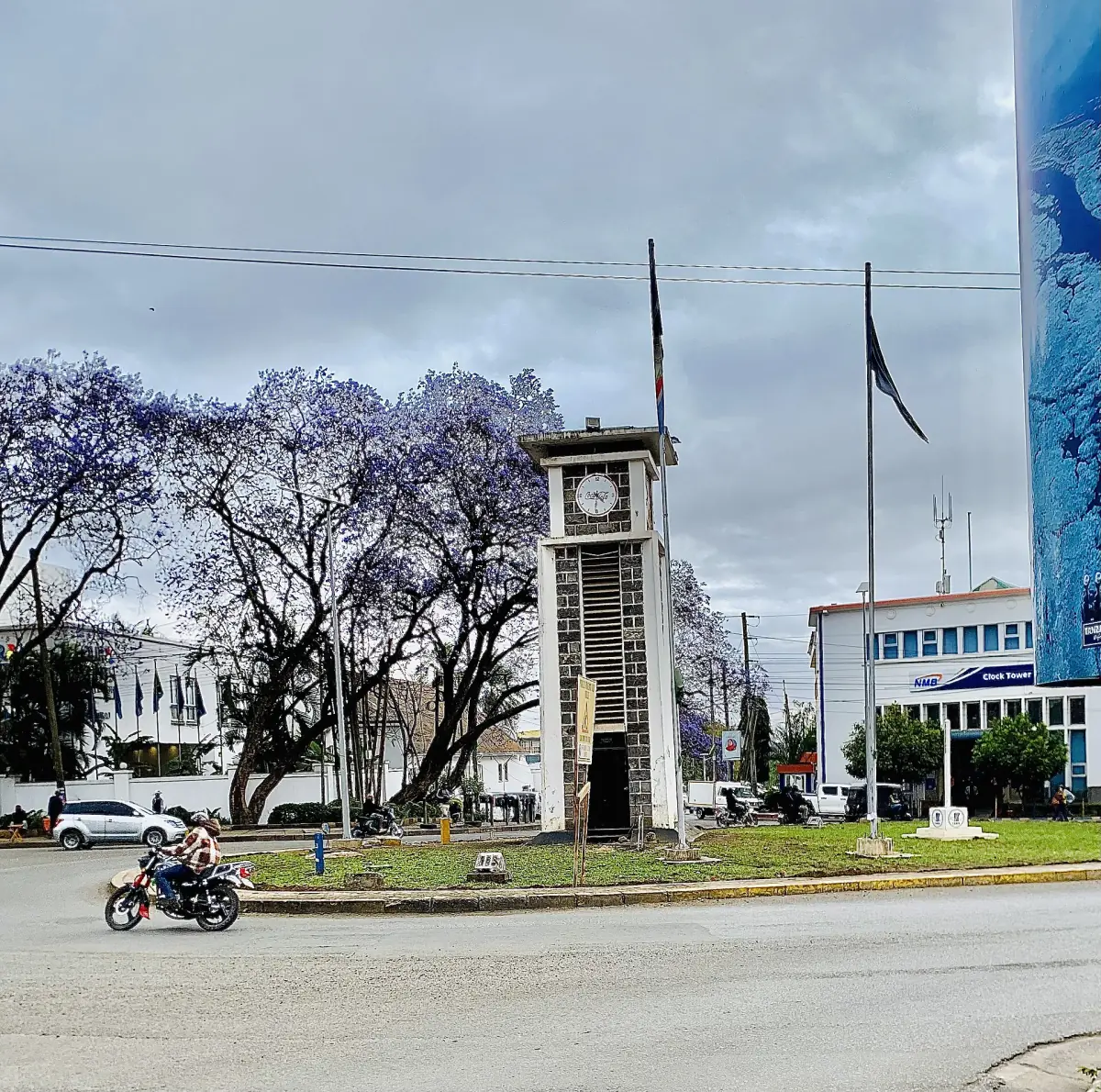
The clock tower roundabout and the big city markets are in the centre. See the city guide for details.
Arusha museums: frequently asked questions
Where is the Arusha Declaration Museum?
It stands in Kaloleni. It opened officially on 5 February 1977.
What is in the Natural History Museum?
Exhibitions on evolution, palaeontology, archaeology, plants and animals, and the colonial history of the region, in the former German complex on Boma Road.
Is the Cultural Heritage Centre free?
The galleries, the market and the workshops are open without an entry charge, but fees for museum areas may apply. Do not assume everything is free.
What are the opening hours?
For the Cultural Heritage Centre, daily from about 8 or 9 a.m. to 5 or 6 p.m., so plan to be there before 5 p.m. For the two national museums, check the hours on the day.
Is this the official site of the museums?
No. This is an independent travel guide, not the website of any museum, and it is not connected to their operators.